Sustainability
We have an important role to play in creating a more sustainable and inclusive future.
We have an important role to play in creating a more sustainable and inclusive future.

Our report provides an update on how we are Helping Britain Prosper in a way that delivers long-term profit and returns.

We put you first, so you can put our customers first.
Our report provides an update on how we are Helping Britain Prosper in a way that delivers long-term profit and returns.

Disclosures relating to our strategic, financial, operational, environmental and social performance.

See all the key dates in the financial year.

Higher, more sustainable returns as we continue to Help Britain Prosper.

We've ranked in the top 10 employers for both graduates and apprenticeships in The Times Top 100.
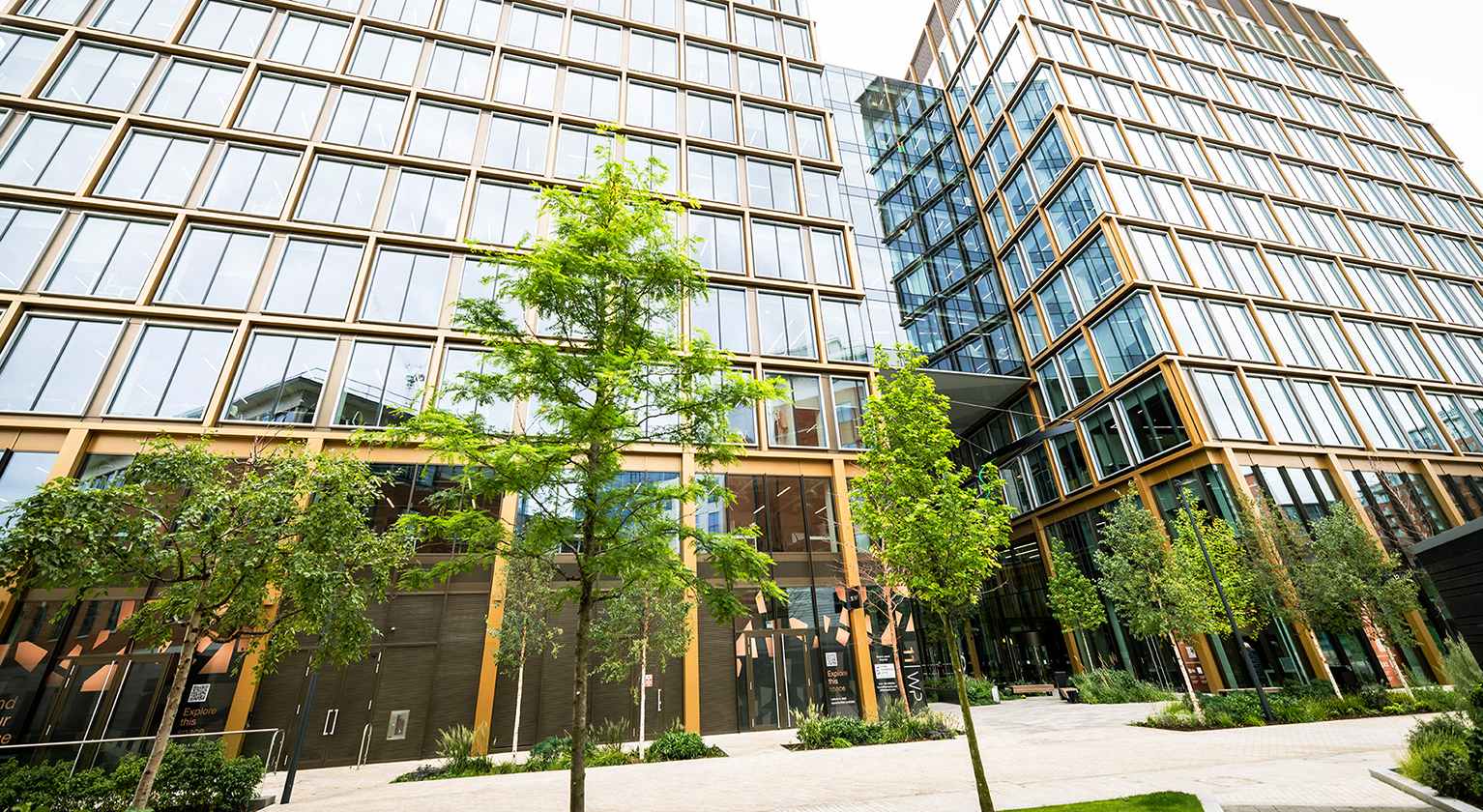
We're searching for the best talent to join us in Leeds.

Join us as we explore new ideas and technologies to reshape the world of finance.
We have an important role to play in creating a more sustainable and inclusive future.
Our report provides an update on how we are Helping Britain Prosper in a way that delivers long-term profit and returns.
We put you first, so you can put our customers first.
Our report provides an update on how we are Helping Britain Prosper in a way that delivers long-term profit and returns.
Disclosures relating to our strategic, financial, operational, environmental and social performance.
See all the key dates in the financial year.
Higher, more sustainable returns as we continue to Help Britain Prosper.
We've ranked in the top 10 employers for both graduates and apprenticeships in The Times Top 100.
We're searching for the best talent to join us in Leeds.
Join us as we explore new ideas and technologies to reshape the world of finance.
Across the UK, people’s experiences of housing look very different. Too often, homelessness, temporary accommodation and insecure housing hold people back from work, disrupt their education and limit their futures.
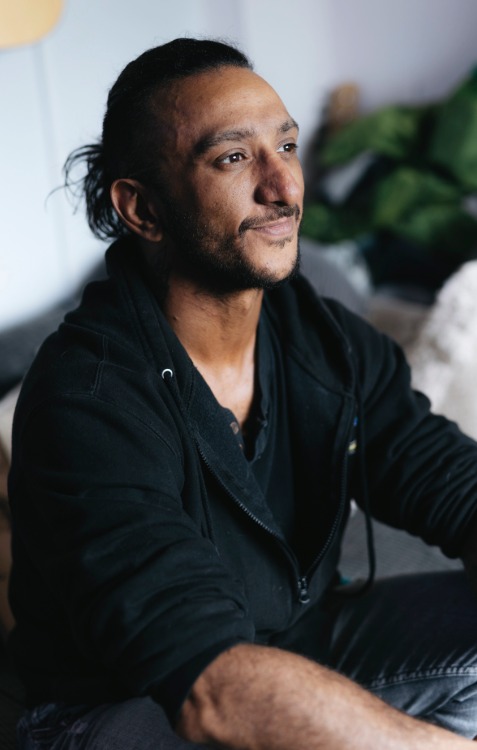
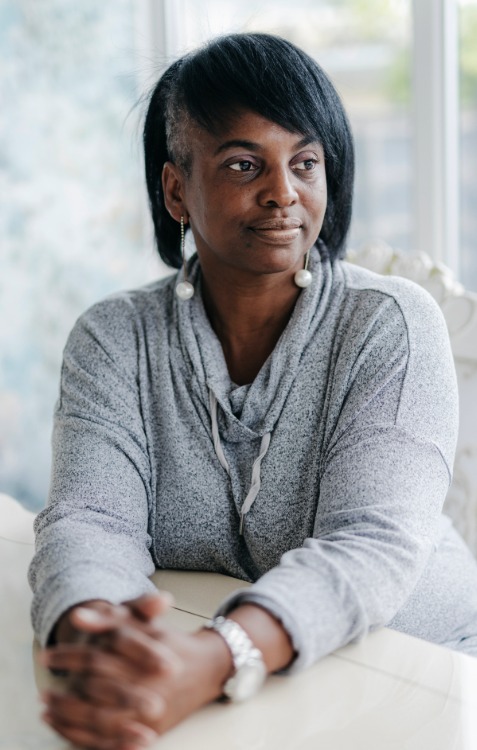
These real-life stories, from people supported by our charity partners, show the lived reality behind the UK's housing crisis. They show the individual challenges of finding affordable housing and what it means to finally have a place to call home.
Together, these stories highlight the importance of long-term solutions that support individuals and families into safe, secure and affordable housing.
At the heart of our partnership with Crisis and Simon Community in Northern Ireland, is the belief that everyone should have a safe and secure place to call home.

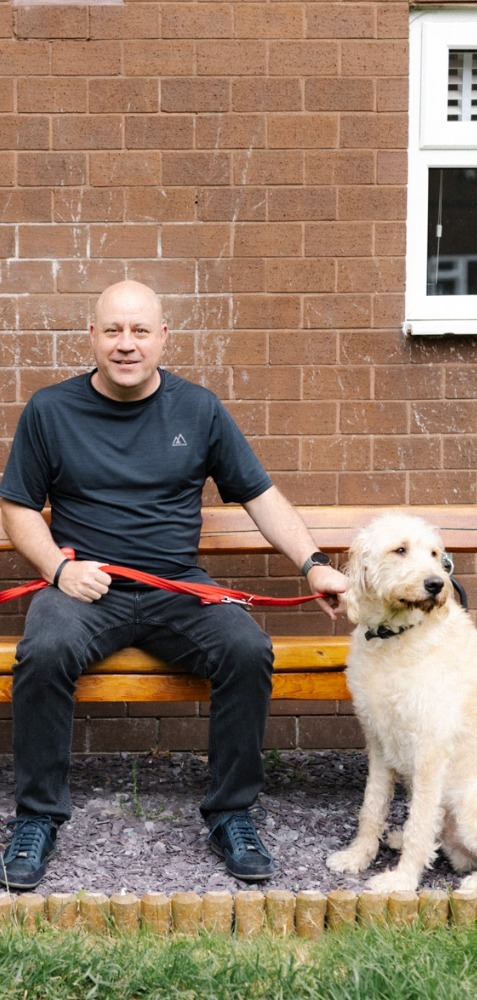
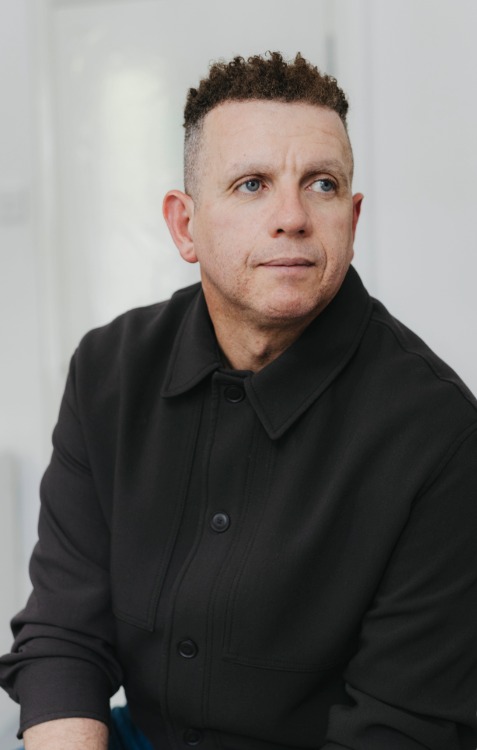
Ray woke up on his 49th birthday, knowing something was wrong with his eyesight. Doctors later diagnosed him with Leber’s, a rare hereditary condition causing sudden vision loss. In the four years that followed, he drifted between sofas, the streets, and almost a year in temporary accommodation he describes as “barely nicer than a prison cell.”
Yet Ray insists his sight loss saved his life. Before that birthday, he had been battling alcoholism and unstable housing. When his vision changed and daily tasks became dangerous, he had to leave his HMO.
Because he wasn’t yet street homeless, he couldn’t access support, beginning months of sofa surfing and nights in parks he navigated by sound alone.
Only after becoming street homeless was he offered temporary accommodation. The instability was crushing – every 28 days he packed his belongings before discovering if he could stay. During this time, Crisis built his trust and eventually helped him secure his current social home, which he renovated as the first step in rebuilding his life.
“I didn’t understand what help Crisis were giving me at the time,” he says. “But there's something that was happening in the background, they were building trust and that's a commodity that's very rare when you're homeless. They listened and they never judged.”
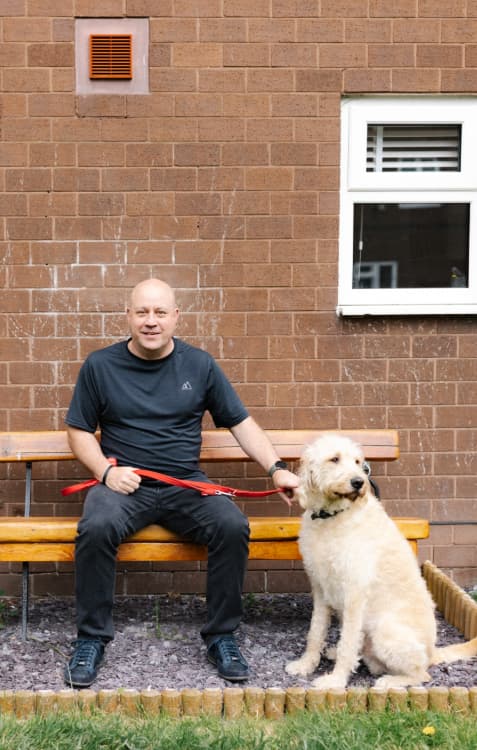
Now four years sober and settled in his social home, Ray has launched a community interest company bringing visually impaired sports into schools with support from a Crisis Changing Lives grant. His guide dog, Garçon, keeps him grounded and moving.
“People often ask me this question, how did you feel while you was staying in parks and living on the streets? I didn't have a chance to feel,” Ray says. “I survived. It's all you think about. I didn't have a chance to feel whether I was okay or not. It's just absolutely fight or flight.”
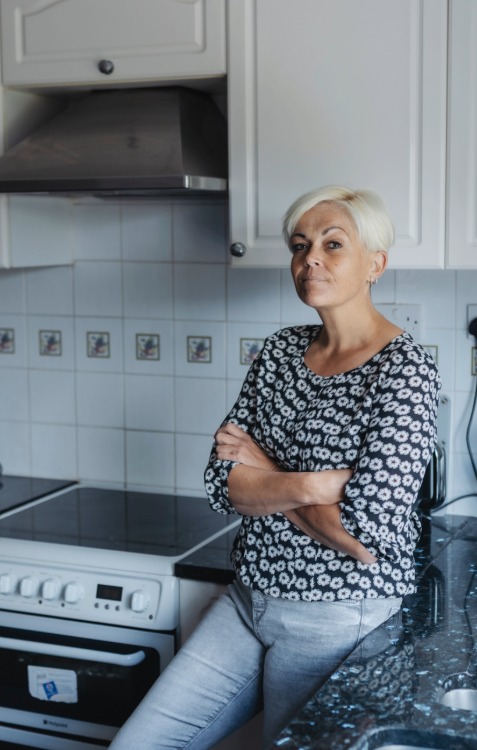
Mechelle and her three young children spent three nights sleeping in their car after fleeing an unsafe home and being denied help by the council. She tried to keep the situation calm for her youngest two, turning the car into a tent but inside she was terrified. “We had a good life and then the next day we had nothing,” she says.
Their homelessness began with the lack of support for her four-year-old son, who has a learning disability and epilepsy that causes life-threatening seizures.
After escaping domestic violence, Mechelle rebuilt her life in Cornwall, working up to 90 hours a week with children with special needs. But without childcare meeting Will’s needs, she eventually had to give up work.
Her family in the West Midlands offered to take them in, but the arrangement quickly broke down. Though she had found a new job, she hadn’t been paid yet, and her social housing application stalled. Feeling unsafe, she left with her children. When she asked the council for help, she was refused on the grounds she had made herself “intentionally homeless”.
As Will suffered seizures, the family slept in their car until they were briefly placed in a hostel, then back on the streets. Crisis stepped in, securing a hotel for the night and later supporting them through six months in temporary accommodation. “Crisis fought for me tooth and nail. Guided me with advice. Crisis have been my lifeline,” Mechelle says.
In February, they finally moved into a privately rented home. It feels like a fresh start, but uncertainty remains.
Will still lacks the funding he needs to start school, leaving Mechelle unable to return to work. “You can breathe for now,” she says, “until next February comes – and then what happens?”
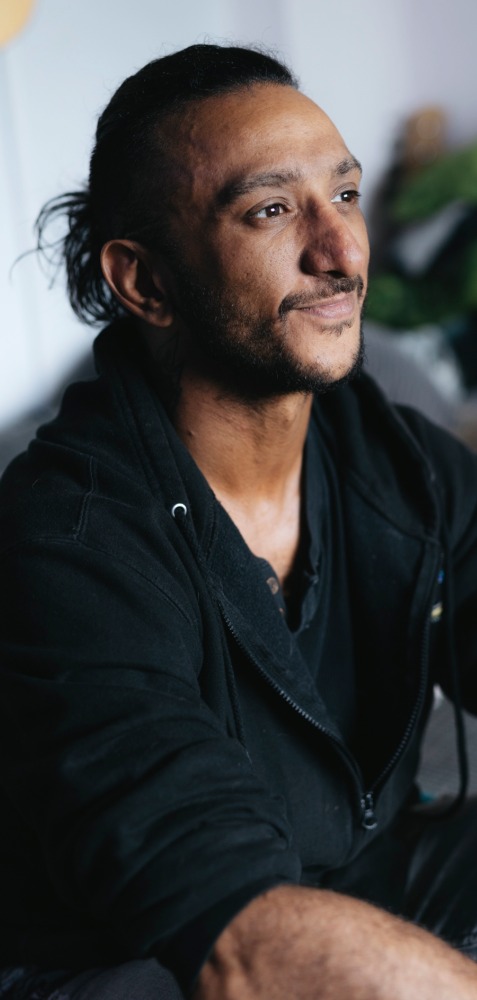
Declan, 34, has experienced homelessness three times, but only the most recent time, in 2022, came with real support. The first time, at 18, he was kicked out of his family home and drifted between sofas, his car, and friends’ places. He had begun training as a welder at Port Talbot steelworks and experimented with metal art, but instability derailed him. “Trying to deal with all that before you’re 20 is overwhelming,” he says.
The second time came a decade ago, after domestic violence forced him to leave home. With a one-year-old son, he again slept in his car, sofa-surfed, and sometimes wild-camped.
Before Covid, Declan built a small non-profit using VR to support people with physical and emotional needs, especially those who were neurodivergent like himself. But without funding knowledge, the project collapsed during the pandemic.
As his relationship later broke down, he left home once more. This time, Crisis stepped in, helping him navigate paperwork, benefits, legal aid, and housing. He soon moved into a two-bedroom council house overlooking the Swansea hills.
Crisis encouraged him to try pyrography – burning designs into wood – and he was immediately hooked. He progressed quickly, selling his first portrait within weeks and later securing a museum commission. A Crisis Changing Lives grant allowed him to buy equipment and begin running workshops under his business, Unleashed Creations.
Now raising two boys, Declan hopes to expand his workshops across Wales, helping others through creativity. His reputation is already growing, he says: “I get lots of people calling me the wood guy”.
At the core, though, is the desire to spread a message: “I want to show them there are all those golden bits in between the chaos.”
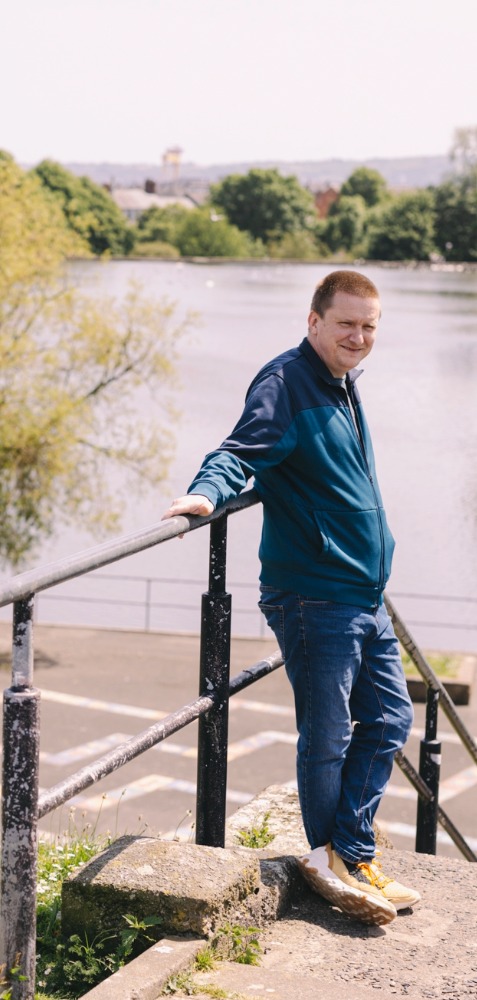
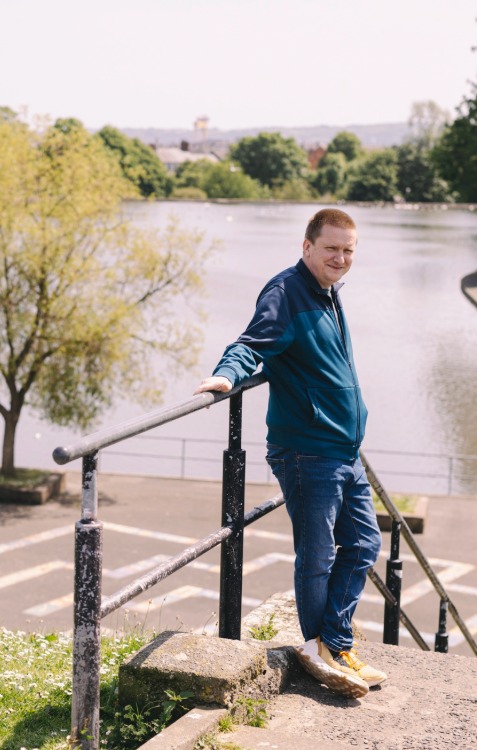
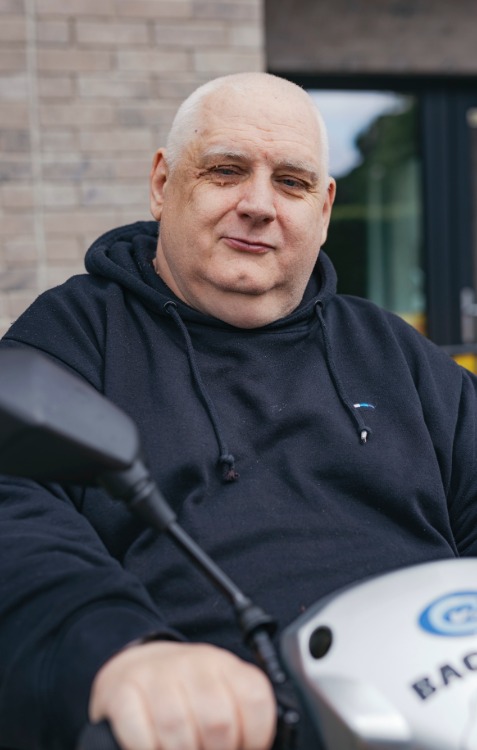
Stuart walks around the Waterworks in North Belfast, a place that once offered him rare peace during his darkest moments. When he lived nearby in temporary accommodation, he came here to clear his head.
His life had slowly narrowed long before homelessness. After leaving school, he moved in with his grandmother and cared for her until she died in 2012. Her tenancy passed to his mum, who later developed dementia. By 2016, Stuart had given up work to care for her full-time. When she died in 2021, he discovered the rules had changed: the home he’d lived in for 20 years would not pass to him. Weeks after the funeral, he was told to leave. “You’re punishing me for looking after people,” he says.
The months that followed were bleak. Stuart shut himself away, stopped eating properly, and spiralled into depression. Only his kitten – Lubo – forced him to open the curtains. When his housing appeal failed, he left with a single bag and began sofa surfing, the insecurity overwhelming. Eventually, he contacted Simon Community.
In 2023, he moved into their temporary accommodation with almost nothing. But the hostel became a turning point. Counselling helped him feel hope again, and daily walks around the Waterworks returned. When Simon Community later offered him a permanent home through their Creating Homes initiative, he didn’t believe it until the day he moved in. “It was the best night’s sleep I ever had.”
Now Stuart volunteers at a food bank, cares for his four cats, and focuses on rebuilding. “This feels like home,” he says. “It’s my spot on earth.”
Stuart is one of thousands of people facing homelessness in Northern Ireland. The scale of the problem has doubled in a decade, reaching 63,426 individuals – or around 1 in 30 people in the nation. More than 50,000 households in Northern Ireland are waiting for social housing.
When Joan arrived in the UK in 2019, she had left behind a successful life in New York – her own home, a Range Rover, a finance career. But after her relationship became abusive, she had no choice but to leave.
Returning to the country of her birth with only $500, she expected family support. Instead, she spent days sleeping on benches at Heathrow airport, washing in bathrooms and struggling to process how drastically her life had changed. “I think I was in shock… just a girl without a plan,” she says.
Airport security eventually connected her with a charity that placed her in a hostel. A dozen women in a cramped room, £20 a week to live on, and nowhere to be during the day. Joan walked London for hours daily, passing the financial districts that reminded her of the life she’d lost. She was told she might wait 10 years for council housing.
Then, one day, she was given a leaflet for Crisis. “That’s when everything changed,” she says.
“I sat there for hours crying my eyes out, talking to a complete stranger about what I was going through,” Joan says. “I remember while I was talking to him, I knew I was going to be okay.”
Crisis helped her secure a privately rented flat and connected her with a construction company at a Crisis job fair. She was hired for an admin role and has stayed there six years.
A Changing Lives grant from Crisis reignited a long-held dream: opening a bridal shop focused on brides, not budgets. With £2,500, she bought supplies, launched online, and eventually opened Brides Walking the Runway.
She later met her partner, bought a home in Kent, and is now planning her own wedding – luckily, she knows someone who can provide the dress.
We believe everyone deserves the security of a safe and affordable home.
That’s why we’re working with partners across the UK to build more social housing and create stronger futures for families and communities.
Building homes. Building futures. Building hope.
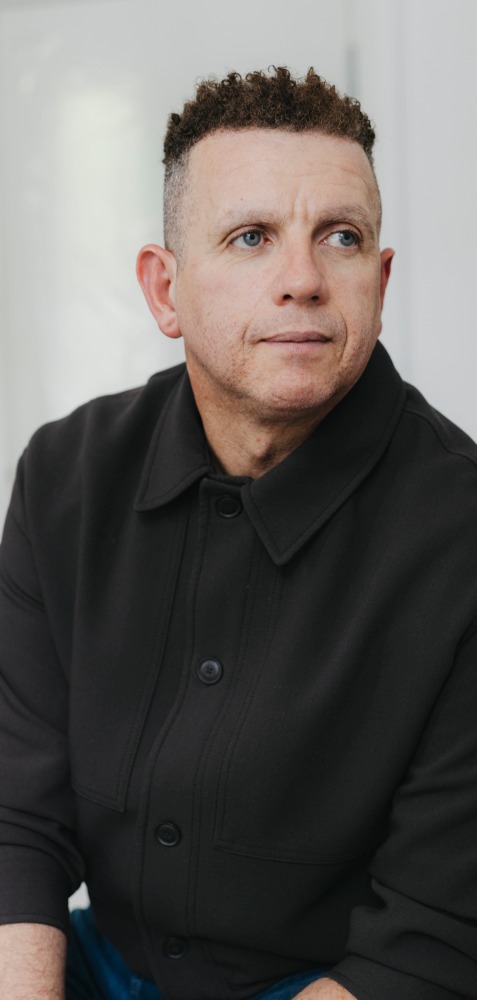
Manoel was running a successful business in Brazil, but homophobic persecution – especially from his brother-in-law in the police – forced him to flee to the UK, hoping London would be safer.
He entered a relationship and moved in with his partner. “It was nice at some points,” he says, but his partner’s drug use escalated, and “then he started becoming violent.” Manoel left, but without immigration status he couldn’t work, and his savings ran out. Sex work became his only income. A landlord offered him a flat, but it was really a place to meet clients. “They charge a lot, because they know that you don’t have papers… They allow everything if you pay the money.”
Manoel’s drug use worsened, and isolation deepened. “It was just drugs, sex, and clients.” One day he returned to find the locks changed, his passport trapped inside. With nowhere else to go, he slept on the streets.
He eventually reached Crisis’ Skylight centre in Croydon, having been turned away from night shelters after developing shingles. A hospital stay brought an HIV diagnosis – and then a discharge back to the streets. “I couldn’t walk very well. I was quite sick. I didn’t have a place to go.”
Crisis became Manoel’s biggest champion, helping with hotel accommodation and the start of recovery. They then told him he had a social home of his own. Closing the door, he felt safe. With refugee status granted, he could work again.
With support from a Crisis Changing Lives grant, Manoel launched Out In Parks, a graphic novel about his story, and a business, Lived Experience Co-Productions.
“I’m not going to stop now. Now is when the fight starts for me.”
Paddy never grew up trusting people, which made accepting help difficult when he became homeless.
Now sitting in his social home, proudly demonstrating the 28 smart plugs and lights he’s installed, he reflects on how far he’s come. It’s a world away from the two years he spent sleeping in his car after his mum died and he lost the sheltered accommodation they shared.
Without an address, he couldn’t renew the security licence he’d relied on for 20 years, and work stopped.
Sleeping in the car was cold, frightening, and painful. “You don’t really get much sleep,” he says. Chronic pain set in, and with no money for fuel, he survived on leftovers from chip shops. When the police eventually seized the untaxed car, he had nothing left.
Crisis first contacted him in 2019, but Paddy was wary. “I was very defensive. I didn’t trust anybody.” Eventually, after weeks sleeping in a stairwell, he accepted their help.
Crisis pushed the council to move him into temporary accommodation, though the first property was damp and mould-ridden, worsening his mental health.
After two years, he was moved to a better place, and in 2023 - after nearly five years of homelessness – he was finally offered his current flat.
Crisis provided a £1,500 grant for furniture and appliances, helping him turn the empty space into a home.
Now he enjoys having neighbours, walking their dog, and inviting people over for coffee – small things that once felt impossible.
His experience has changed him. “People are nice,” Paddy says. “Not everyone’s as bad as you think.”
We aspire to contribute to a UK in which all households have access to affordable, safe and sustainable homes in places they want to live.
We're committed to supporting the UK's communities, supporting the regeneration of low-income areas, addressing disparities, and fostering investment and growth.
Lloyds Banking Group and Art for Estates have teamed up to create community-led art projects in social housing communities.