Sustainability
We have an important role to play in creating a more sustainable and inclusive future.

We have an important role to play in creating a more sustainable and inclusive future.

Our report provides an update on how we are Helping Britain Prosper in a way that delivers long-term profit and returns.

We put you first, so you can put our customers first.
Our report provides an update on how we are Helping Britain Prosper in a way that delivers long-term profit and returns.

Disclosures relating to our strategic, financial, operational, environmental and social performance.

See all the key dates in the financial year.

Higher, more sustainable returns as we continue to Help Britain Prosper.
We've ranked in the top 10 employers for both graduates and apprenticeships in The Times Top 100.
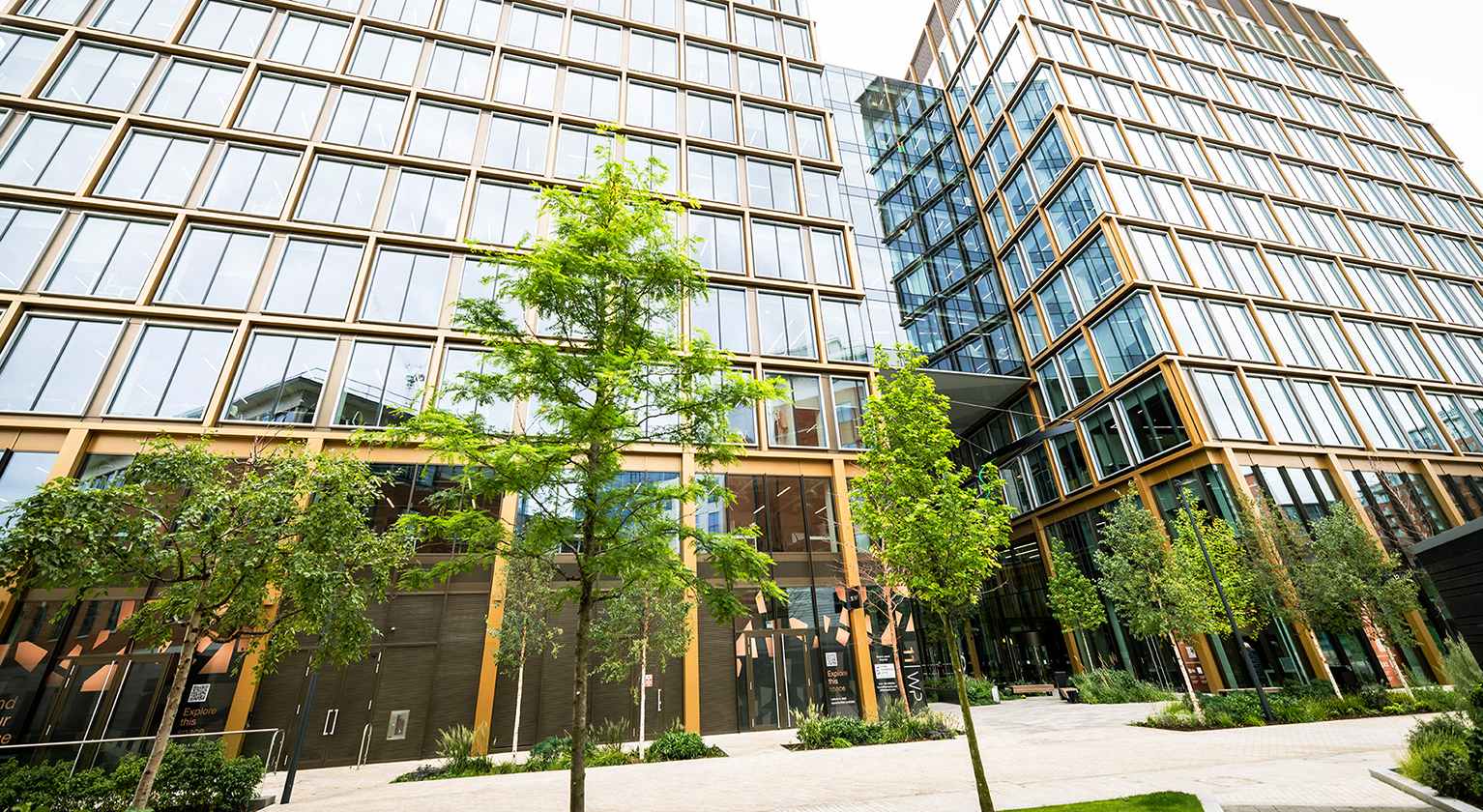
We're searching for the best talent to join us in Leeds.

Join us as we explore new ideas and technologies to reshape the world of finance.
We have an important role to play in creating a more sustainable and inclusive future.
Our report provides an update on how we are Helping Britain Prosper in a way that delivers long-term profit and returns.
We put you first, so you can put our customers first.
Our report provides an update on how we are Helping Britain Prosper in a way that delivers long-term profit and returns.
Disclosures relating to our strategic, financial, operational, environmental and social performance.
See all the key dates in the financial year.
Higher, more sustainable returns as we continue to Help Britain Prosper.
We've ranked in the top 10 employers for both graduates and apprenticeships in The Times Top 100.
We're searching for the best talent to join us in Leeds.
Join us as we explore new ideas and technologies to reshape the world of finance.

Business confidence edged upwards by three points to 47% in May, according to the latest Lloyds Business Barometer, indicating tentative stabilisation after the decline seen in April. The 12-month average for overall confidence is currently sitting at 48% and trending above the long-term average of 30% since the survey began in 2002.
Businesses’ own trading outlook increased by four points in May to 58%, this compares to a 12-month average of 57%. Sixty-six percent expected stronger output over the year ahead, while 8% predicted weaker activity. The main drivers behind businesses expecting a decrease in activity remained the same as in April; economic uncertainty, higher cost pressures and weaker customer demand.
Confidence in the wider economy saw a small rise in May, up two points to 35%, which compares to a 12-month average of 39%. Of those surveyed, 55% said they were optimistic about the wider economy, and 20% were more pessimistic. The top drivers of negative sentiment in May were rising inflation and cost pressures, and global uncertainty; there was a month-on-month fall in concerns about higher interest rates.
“Business confidence edged up modestly in May, suggesting firms are beginning to steady after April’s decline. This month, confidence levels from businesses in the North East particularly stands out. It's also reassuring to see that increased confidence from the construction sector has brought them more in line with their retail, services and manufacturing counterparts.
“Across the UK, each region and nation presents unique opportunities and drivers of growth - whether that’s clean energy in the North East, advanced manufacturing in the West Midlands or tourism and hospitality in Scotland. We've seen first-hand what the right financial support and advice can do for ambitious businesses and are keen to continue supporting our customers as they grow - helping Britain prosper.”
Amanda Murphy, CEO for Lloyds Business and Commercial Banking
Businesses are still open to investment opportunities. Firms’ appetite to invest increased in May, up four points to 37%, with most looking to invest in training (43%), technology (38%), and AI (36%).
“Business confidence fell back in April as firms assessed a more uncertain global backdrop. Fewer businesses said they were aspiring to enter new markets, 39% vs 43% in March, which also could be linked to heightened global uncertainty following the conflict in the Middle East.
“What’s encouraging to see is that firms own internal measures have remained more stable this month, suggesting that they adept at weathering uncertainty without resorting to significant changes.”
Hann-Ju Ho, Senior Economist, Lloyds Commercial Banking
Construction firms saw a strong confidence month-on-month increase in May, up 15 points to 44%, compared to a 12-month average of 48%. Retail also saw significant gains up eight points to 53%, compared to a 12-month average of 49%. Services were unchanged at 45%, against a 12-month average of 47%. Manufacturing eased this month, down four points to 43%, against a 12-month average of 46%.
Three of the four sectors were more optimistic about the wider economy, with Construction up 12 points to 34%, Retail up nine points to 44%, Manufacturing up one point to 36%, while Services declined three points to 31%.
Three of the four sectors were more confident towards their own trading outlook, with Construction up 18 points to 54%, Retail up six points to 61% and Services up two points to 59%. Manufacturing was the only sector that saw a decline of seven points to 51%.
Business confidence rose across seven of the twelve UK regions and nations in May and decreased in four. The North East saw a notable 23 point gain to 69%, and West Midlands increased by 13 points to 62% becoming the most confident regions. The North East said that stronger customer demand was driving their confidence in their own trading outlook.
We're committed to supporting the UK's regions and communities, supporting the regeneration of low-income areas, addressing disparities, and fostering investment and growth.