Sustainability
We have an important role to play in creating a more sustainable and inclusive future.

We have an important role to play in creating a more sustainable and inclusive future.

Our report provides an update on how we are Helping Britain Prosper in a way that delivers long-term profit and returns.

We put you first, so you can put our customers first.
Our report provides an update on how we are Helping Britain Prosper in a way that delivers long-term profit and returns.

Disclosures relating to our strategic, financial, operational, environmental and social performance.

See all the key dates in the financial year.

Higher, more sustainable returns as we continue to Help Britain Prosper.

We've ranked in the top 10 employers for both graduates and apprenticeships in The Times Top 100.
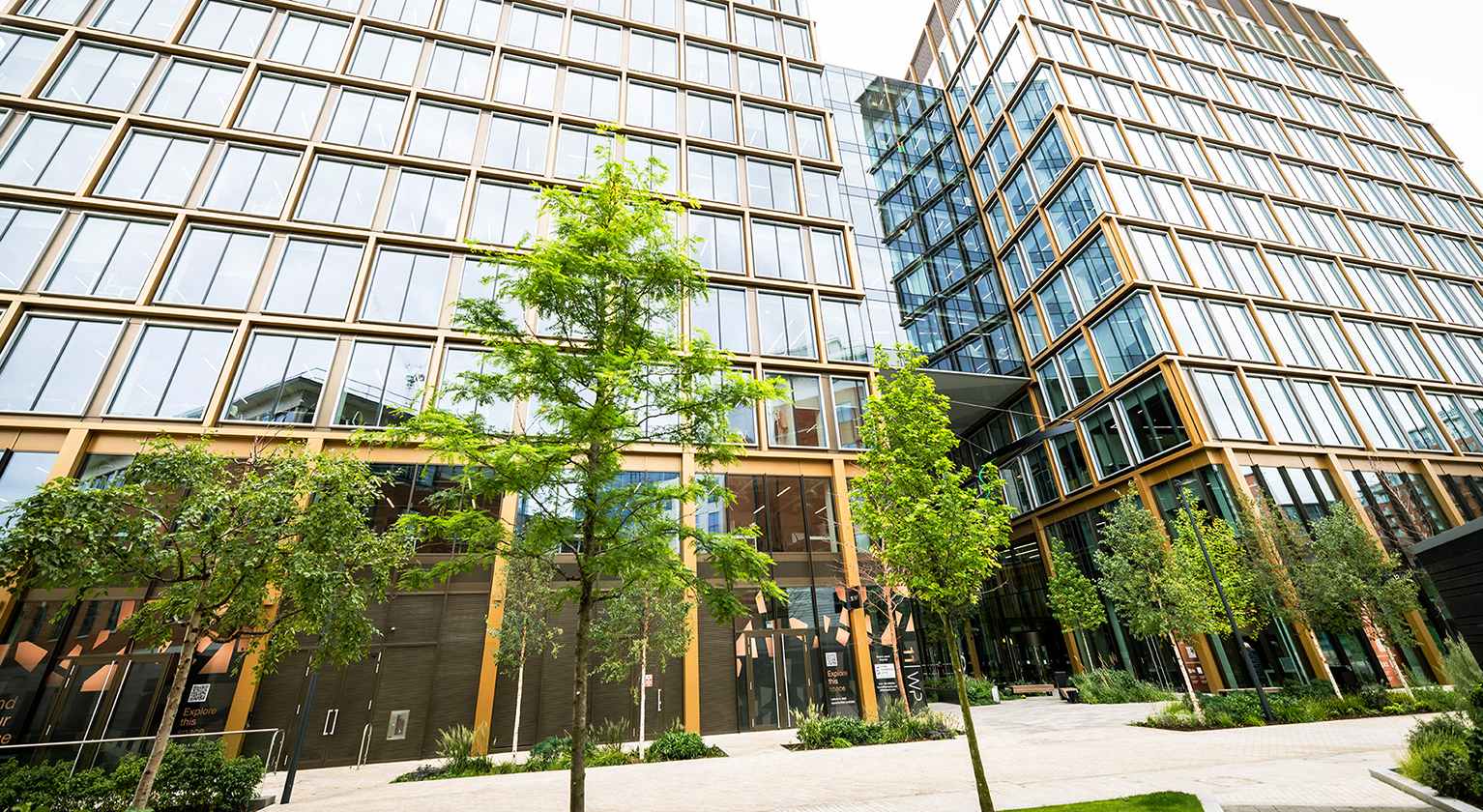
We're searching for the best talent to join us in Leeds.

Join us as we explore new ideas and technologies to reshape the world of finance.
We have an important role to play in creating a more sustainable and inclusive future.
Our report provides an update on how we are Helping Britain Prosper in a way that delivers long-term profit and returns.
We put you first, so you can put our customers first.
Our report provides an update on how we are Helping Britain Prosper in a way that delivers long-term profit and returns.
Disclosures relating to our strategic, financial, operational, environmental and social performance.
See all the key dates in the financial year.
Higher, more sustainable returns as we continue to Help Britain Prosper.
We've ranked in the top 10 employers for both graduates and apprenticeships in The Times Top 100.
We're searching for the best talent to join us in Leeds.
Join us as we explore new ideas and technologies to reshape the world of finance.

Lloyds Banking Group and Visa have completed a live pilot exploring how stablecoin-based settlement could support faster, more transparent and flexible cross-border transactions - modernising the way money moves around the world.
The pilot focused on settlement, the behind-the-scenes process through which financial institutions exchange funds to complete and reconcile payment activity, rather than on how payments themselves are made. Through a series of real-world transactions, Lloyds and Visa tested how stablecoins could be used alongside existing settlement processes, assessing their impact on speed, transparency and operational processes.
The seven-day pilot involved a series of US dollar settlement obligations totalling US$750,000. To complete these settlements, Lloyds used USDC purchased through Archax, a UK-regulated digital asset exchange. The settlement volume, booked through Lloyds' Corporate Markets branch in Jersey, was then transferred to Visa in the US.
The pilot demonstrated how blockchain-based settlement can improve speed and flexibility, with funds reaching Visa in under an hour, including during the weekend. Under traditional cross-border payment processes, settlement can take a day or more if initiated outside of banking hours.
For banks and the businesses they serve, knowing when funds will arrive is important for managing liquidity, meeting obligations and planning with confidence. Yet cross-border settlement can slow when transactions are initiated outside traditional banking hours.
The pilot showed how stablecoins could give financial institutions greater flexibility to settle certain transactions around the clock. In practice, that could mean better visibility over the status of funds, greater certainty over when money has arrived and less liquidity tied up waiting for settlement to complete, particularly over weekends and holidays.
The pilot also demonstrated the potential for stablecoin transactions to operate across a variety of blockchain networks. As part of the test, Lloyds used its own node on Canton, leveraging the network’s configurable privacy capabilities, while Visa supported settlement on a separate public blockchain, demonstrating interoperability across both networks. As liquidity and activity increasingly span a diverse, multi-chain ecosystem, interoperability can help institutions access different networks while maintaining reach, flexibility and choice. The pilot highlighted how Visa can help reduce the complexity of stablecoin settlement, enabling institutions to explore new payment capabilities through Visa’s trusted global network.
Peter Left Head of Digital Assets at Lloyds Banking GroupStablecoins could be particularly valuable for cross-border payments, where moving money between markets, currencies and infrastructures can add time and complexity. Settling $750,000 of live payment obligations between Lloyds and Visa using stablecoins has allowed us to move beyond theory and test these capabilities in a real-world setting.
We're seeing how digital money could help make international payments faster, more transparent and more flexible for businesses. Greater visibility and certainty over the movement of funds can transform liquidity management, while interoperability between blockchain networks helps unlock future applications of digital money at scale.
Rob Cameron Group Country Manager, UK & Ireland, VisaBusinesses increasingly operate across borders and around the clock, but the infrastructure behind the movement of money has not always offered the same flexibility. This pilot with Lloyds shows how stablecoins can work alongside existing banking infrastructure to give financial institutions more choice over how and when they settle funds. Visa’s role is to help make these new forms of money practical, interoperable and trusted at scale.
The initiative forms part of Lloyds' wider work to explore how digital assets and tokenised forms of money could enhance the movement of value between businesses and financial institutions.