Sustainability
We have an important role to play in creating a more sustainable and inclusive future.

We have an important role to play in creating a more sustainable and inclusive future.

Our report provides an update on how we are Helping Britain Prosper in a way that delivers long-term profit and returns.

We put you first, so you can put our customers first.
Our report provides an update on how we are Helping Britain Prosper in a way that delivers long-term profit and returns.

Disclosures relating to our strategic, financial, operational, environmental and social performance.

See all the key dates in the financial year.

Higher, more sustainable returns as we continue to Help Britain Prosper.

We've ranked in the top 10 employers for both graduates and apprenticeships in The Times Top 100.
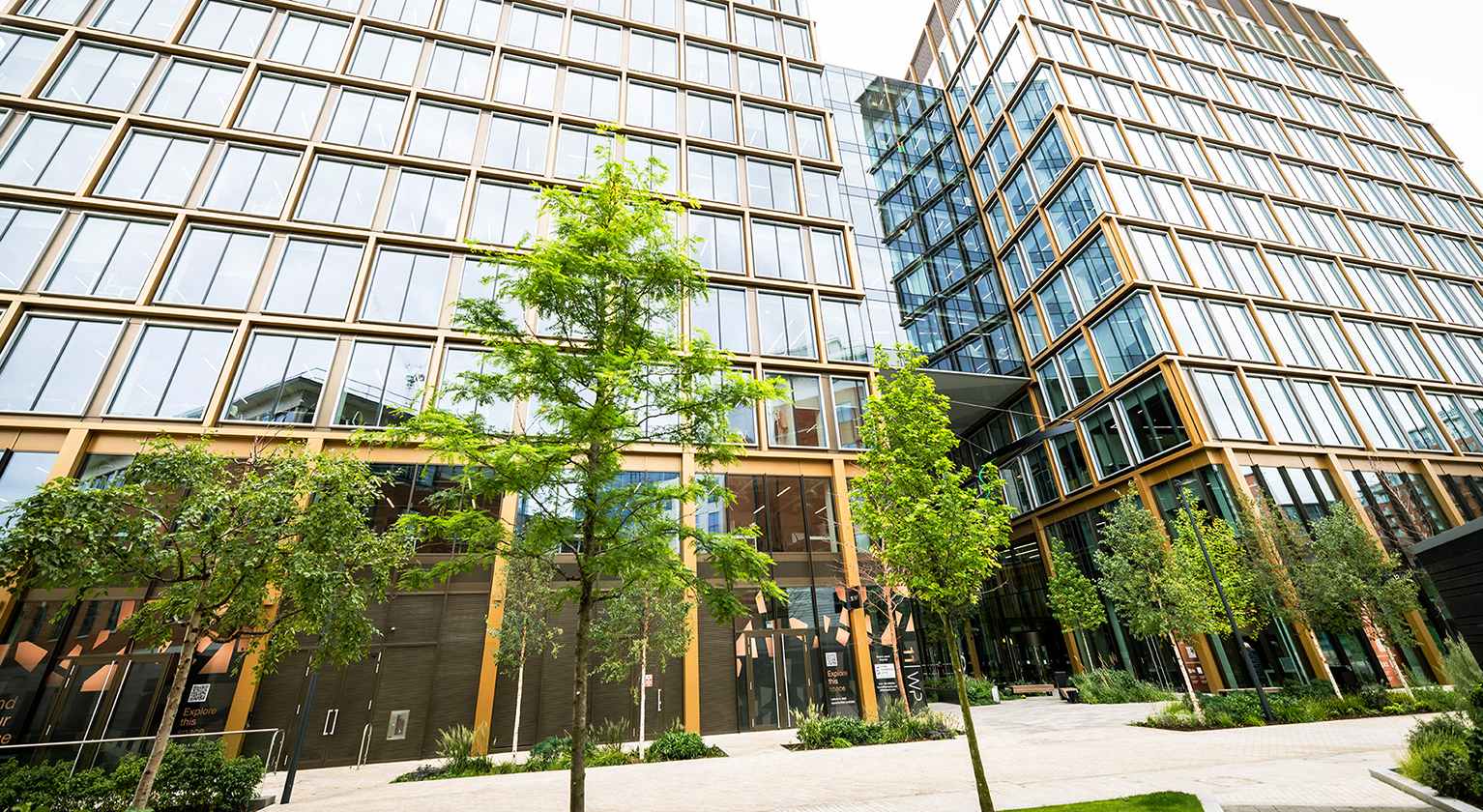
We're searching for the best talent to join us in Leeds.

Join us as we explore new ideas and technologies to reshape the world of finance.
We have an important role to play in creating a more sustainable and inclusive future.
Our report provides an update on how we are Helping Britain Prosper in a way that delivers long-term profit and returns.
We put you first, so you can put our customers first.
Our report provides an update on how we are Helping Britain Prosper in a way that delivers long-term profit and returns.
Disclosures relating to our strategic, financial, operational, environmental and social performance.
See all the key dates in the financial year.
Higher, more sustainable returns as we continue to Help Britain Prosper.
We've ranked in the top 10 employers for both graduates and apprenticeships in The Times Top 100.
We're searching for the best talent to join us in Leeds.
Join us as we explore new ideas and technologies to reshape the world of finance.

Stronger partnerships and smarter risk-sharing between government, finance, investors and asset owners are crucial to building greater resilience into the UK’s ageing infrastructure, according to a new report from Lloyds Banking Group.
The call for action follows estimates from the Climate Change Committee that the UK faces an annual gap of around £11 billion of climate adaption investment needed as extreme heat, flooding and drought place growing pressure on essential infrastructure.
Lloyds says resilience should be built into infrastructure planning and financing from the outset, rather than added after damage or disruption has occurred. It is calling for wider use of public guarantees, private capital and risk-sharing structures to support investment across water, energy and the built environment.
“Ageing infrastructure and competing pressures on public finances are exposing a resilience challenge that the UK cannot afford to ignore. To support long-term prosperity, we should treat resilient infrastructure with a national security mindset.
Emerging finance models, particularly those that bring together public and private capital, can help unlock the investment required. Our new report highlights three projects across water, energy and the built environment that show how these models can work in practice. We believe they offer a blueprint for the kind of public-private collaboration needed to ensure the critical infrastructure that underpin our society and economy are truly built to last.”
Andrew Walton, Chief Sustainability Officer at Lloyds Banking Group
Climate adaptation investment can reduce future losses and deliver wider economic, social and environmental benefits. However, capital is not yet moving at the pace required.
Resilience benefits often emerge over long periods and are shared among public bodies, investors, insurers, businesses and communities. This can make individual projects difficult to value, structure and finance.
Lloyds recommends clearer planning frameworks, better data and stronger coordination between the public and private sectors to help overcome those barriers. More consistent ways to assess resilience benefits could also help investors understand the long-term value of projects.
As a leading provider of infrastructure project finance across the UK and US, Lloyds Banking Group plays a key role in funding the assets and networks that support economic growth. Recognising that future infrastructure must be resilient to the impacts of climate change, the Group has committed to more than £100 billion of sustainable and transition finance between 2027 and 2030, including finance supporting climate adaptation and resilience.
The recommendations are set out in Lloyds Banking Group’s new paper, Built to Last: Climate Resilient Infrastructure Needs Transformative Investment, alongside examples of financing models already being used across water, energy and university buildings.
Water | North West England: The Haweswater Aqueduct Resilience Programme is a £3bn project renewing critical sections of water infrastructure that supply drinking water to 2.5 million people. It is being delivered through the first transaction under Ofwat’s Direct Procurement for Customers framework, combining National Wealth Fund credit enhancement with £120m of debt finance from Scottish Widows, part of Lloyds Banking Group. The replacement tunnels are designed for a 120-year life.
Energy | South East England: Cleve Hill Solar Park in Kent was designed with flood resilience measures including raised solar panels, reinforced sea defences, arrangements for long-term maintenance and to deliver 65% Biodiversity Net Gain. Lloyds and NatWest underwrote £238.5m of project financing, with climate resilience included in the financing requirements. The project is expected to generate enough electricity to power more than 100,000 homes and was the first solar project in the UK to be identified as a Nationally Significant Infrastructure Project.
Built environment | UK-wide: A partnership between Lloyds Banking Group and the National Wealth Fund combines up to £500m of Lloyds lending with up to £350m of public guarantees. The programme is intended to modernise up to 300 university campus buildings, support up to 4,000 skilled jobs and help avoid up to 2.8 million tonnes of CO2e once fully deployed.
Lloyds has identified five areas that could support a larger pipeline of climate-resilient infrastructure: