Sustainability
We have an important role to play in creating a more sustainable and inclusive future.

We have an important role to play in creating a more sustainable and inclusive future.

Our report provides an update on how we are Helping Britain Prosper in a way that delivers long-term profit and returns.

We put you first, so you can put our customers first.
Our report provides an update on how we are Helping Britain Prosper in a way that delivers long-term profit and returns.

Disclosures relating to our strategic, financial, operational, environmental and social performance.

See all the key dates in the financial year.

Higher, more sustainable returns as we continue to Help Britain Prosper.

We've ranked in the top 10 employers for both graduates and apprenticeships in The Times Top 100.
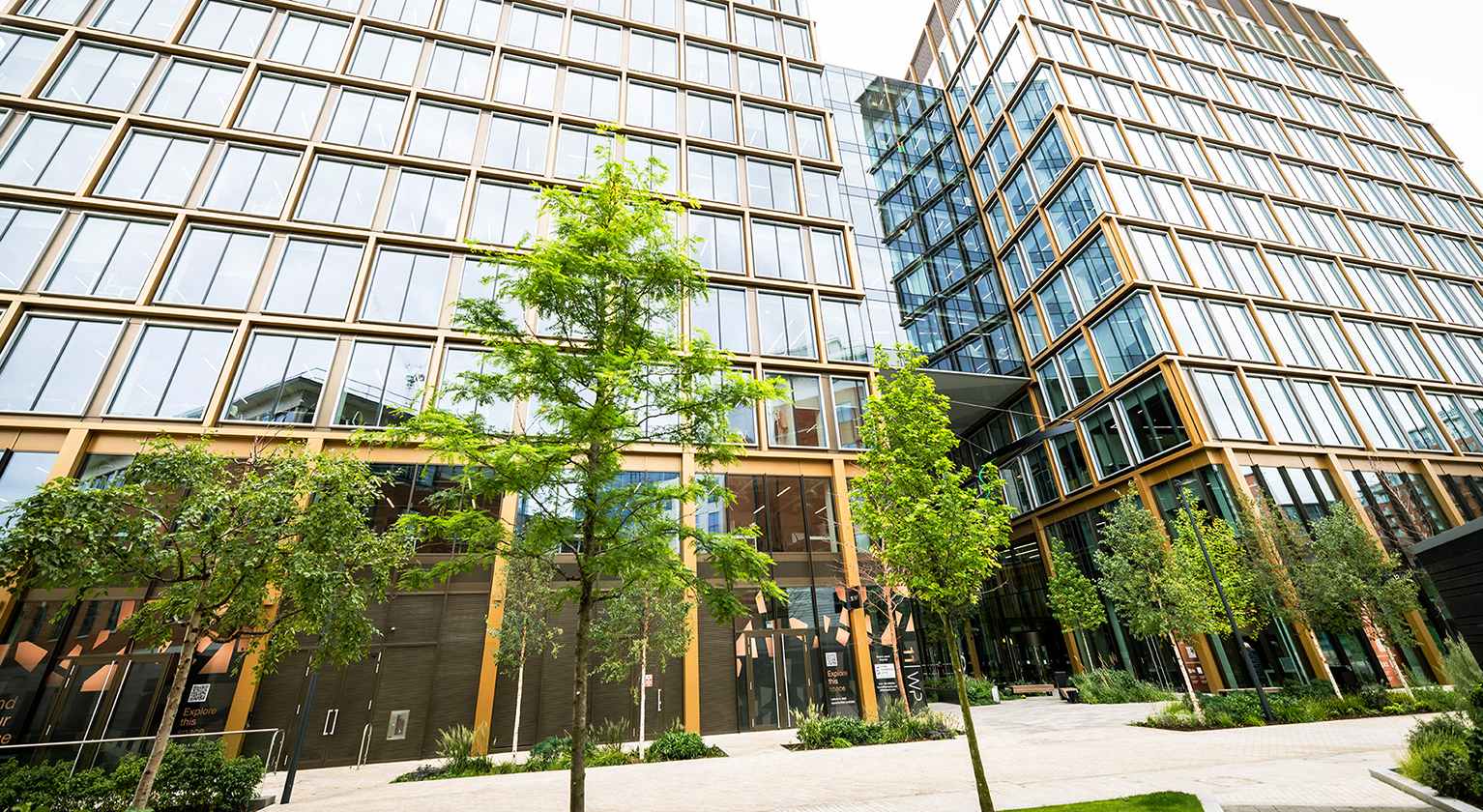
We're searching for the best talent to join us in Leeds.

Join us as we explore new ideas and technologies to reshape the world of finance.
We have an important role to play in creating a more sustainable and inclusive future.
Our report provides an update on how we are Helping Britain Prosper in a way that delivers long-term profit and returns.
We put you first, so you can put our customers first.
Our report provides an update on how we are Helping Britain Prosper in a way that delivers long-term profit and returns.
Disclosures relating to our strategic, financial, operational, environmental and social performance.
See all the key dates in the financial year.
Higher, more sustainable returns as we continue to Help Britain Prosper.
We've ranked in the top 10 employers for both graduates and apprenticeships in The Times Top 100.
We're searching for the best talent to join us in Leeds.
Join us as we explore new ideas and technologies to reshape the world of finance.

Business confidence fell 12 points to 41% in September, the lowest level since April 2025, according to the Lloyds Business Barometer. This decline follows August’s reading of 53%, the second highest recorded this year, and buoyant results since May. While confidence remained well above the survey’s long term average of 30%, it was six points below the 12-month average of 47%.
The overall 12-point decline, which was comparable to the fall recorded earlier this year following the start of the Middle East conflict, was driven by a fall in economic optimism, as businesses responded to higher energy prices as a result of renewed tensions in the Middle East.
The overall business confidence figure is an average of economic optimism and trading outlook.
Optimism in the wider economy fell 18 points to 31%, compared to a 12-month average of 37%. Of those surveyed, 52% said they were optimistic in the wider economy (down 12 points from August), while those who felt pessimistic increased six points to 21%. The drivers that led to the fall included rising cost pressures, general inflation in the economy and global uncertainty.
Businesses’ own trading outlook declined eight points to 50%, compared to a 12-month average of 56%. The majority of businesses (57% down nine points from August) expect an increase in output over the year ahead, while those expecting a decrease in activity reduced by one point to 7%. Among firms expecting weaker activity, the main drivers were economic uncertainty, higher cost pressures and weaker customer demand.
Larger businesses with a turnover of £25m-£100m saw business confidence rise three points to 75% driven by stronger demand and industry-specific improvements. Business confidence among smaller firms with a turnover below £5m fell 14 points to 39%, driven by rising cost pressures, global uncertainty and general inflation in the economy. Businesses with a turnover between £5-25m saw business confidence decrease by five points to 54%, driven by higher cost pressures, economic uncertainty and increased competition.
Despite the concerns around rising inflation and higher cost pressures, the number of firms expecting to raise prices in the next 12 months rose marginally, by one point to 52%. This latest rise follows three months of consecutive declines.
Both domestic and international firms saw a fall in business confidence in September.
Domestic firms reported a 12-point decrease in business confidence, falling to 32%. These firms also reported a 12-point decrease in economic optimism to 23%, driven by rising cost pressures, general inflation in the economy and global uncertainty. Trading outlook decreased for domestic firms, down 12 points to 41% driven by economic uncertainty, higher cost pressures and weaker customer demand.
Overall business confidence for international firms decreased 10 points to 49%. These firms saw a decrease in economic optimism of 18 points to 39%, driven by rising cost pressures, global uncertainty and general inflation. They saw a decline in trading outlook of three points to 58%, driven by economic uncertainty, higher cost pressures and weaker customer demand.
Amanda Murphy CEO Lloyds Business and Commercial BankingWhile confidence among larger firms remains strong, smaller businesses have seen a fall in sentiment as they continue to navigate higher costs, inflationary pressures and global uncertainty. Overall confidence remains above its long-term average, and most businesses still expect activity to grow over the coming year, underlining the resilience of UK firms. Ensuring smaller firms can share in future growth will be crucial in the months ahead.
Retail firms saw an increase of three points to 51%, compared to a 12-month average of 48% driven by stronger customer demand, better economic news and industry specific improvements. Business confidence among construction firms decreased eight points to 47%, compared to a 12-month average of 48%. This was driven by rising cost pressures, general inflation in the economy and global uncertainty.
Business confidence among manufacturers fell 19 points to 36%, compared to a 12-month average of 44%. Firms in the Services sector saw a decrease in business confidence of 21 points to 35%, against a 12-month average of 46%. Both sectors’ declines in business confidence were driven by rising cost pressures, general inflation in the economy and global uncertainty.
Hann-Ju Ho Senior Economist, Lloyds CommercialSeptember’s fall in business confidence was driven primarily by a significant decline in economic optimism, with businesses responding to a combination of higher global energy prices and increased global uncertainty. Trading outlook also fell, suggesting that firms are becoming more cautious about the outlook for demand and activity over the coming year. While price expectations edged higher, they remain below levels seen a year ago, indicating that businesses are continuing to balance rising costs against the need to remain competitive.
Confidence fell in 10 of the UK’s 12 regions and nations, the broadest decline since April this year. The West Midlands and North were the only regions to show an increase in confidence. Confidence in the North West, London and Yorkshire & the Humber also remained above the UK average.
|
rank |
region/nation |
sept-26 |
change vs august |
rank change |
|---|---|---|---|---|
|
rank 1 |
region/nation West Midlands |
sept-26 69% |
change vs august +22 pp |
rank change +8 |
|
rank 2 |
region/nation North East |
sept-26 50% |
change vs august +5 pp |
rank change +9 |
|
rank 3 |
region/nation North West |
sept-26 49% |
change vs august -10 pp |
rank change -1 |
|
rank 4 |
region/nation London |
sept-26 46% |
change vs august -15 pp |
rank change -3 |
|
rank 5 |
region/nation Yorkshire and Humber |
sept-26 45% |
change vs august -1 pp |
rank change +5 |
|
rank 6 |
region/nation South East |
sept-26 40% |
change vs august -19 pp |
rank change -4 |
|
rank 7 |
region/nation Northern Ireland |
sept-26 40% |
change vs august -11 pp |
rank change - |
|
rank 8 |
region/nation East of England |
sept-26 36% |
change vs august -8 pp |
rank change +4 |
|
rank 9 |
region/nation Scotland |
sept-26 36% |
change vs august -19 pp |
rank change -5 |
|
rank 10 |
region/nation South West |
sept-26 25% |
change vs august -30 pp |
rank change -5 |
|
rank 11 |
region/nation East Midlands |
sept-26 20% |
change vs august -31 pp |
rank change -3 |
|
rank 12 |
region/nation Wales |
sept-26 16% |
change vs august -38 pp |
rank change -6 |