Sustainability
We have an important role to play in creating a more sustainable and inclusive future.

We have an important role to play in creating a more sustainable and inclusive future.

Our report provides an update on how we are Helping Britain Prosper in a way that delivers long-term profit and returns.

We put you first, so you can put our customers first.
Our report provides an update on how we are Helping Britain Prosper in a way that delivers long-term profit and returns.

Disclosures relating to our strategic, financial, operational, environmental and social performance.

See all the key dates in the financial year.

Higher, more sustainable returns as we continue to Help Britain Prosper.
We've ranked in the top 10 employers for both graduates and apprenticeships in The Times Top 100.
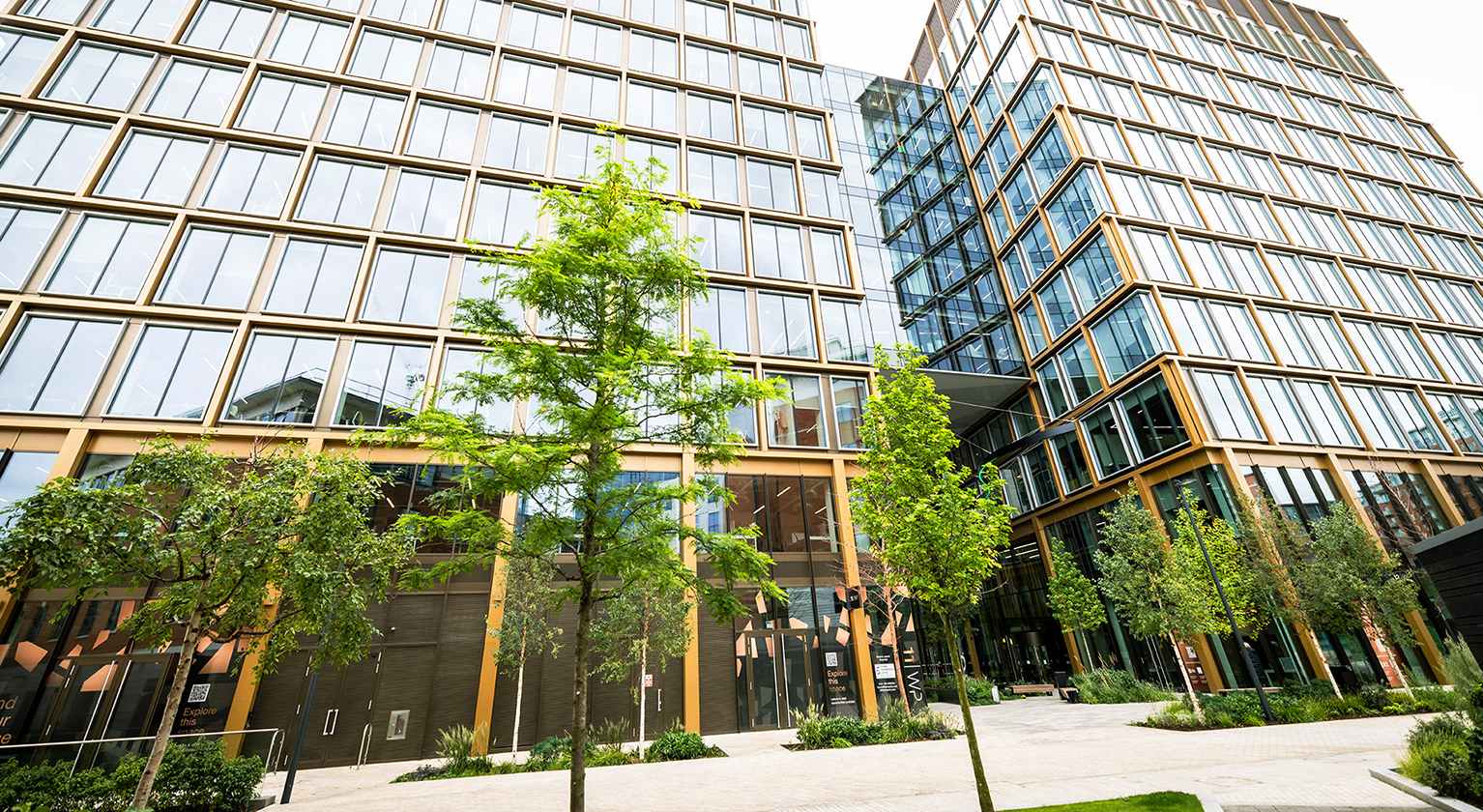
We're searching for the best talent to join us in Leeds.

Join us as we explore new ideas and technologies to reshape the world of finance.
We have an important role to play in creating a more sustainable and inclusive future.
Our report provides an update on how we are Helping Britain Prosper in a way that delivers long-term profit and returns.
We put you first, so you can put our customers first.
Our report provides an update on how we are Helping Britain Prosper in a way that delivers long-term profit and returns.
Disclosures relating to our strategic, financial, operational, environmental and social performance.
See all the key dates in the financial year.
Higher, more sustainable returns as we continue to Help Britain Prosper.
We've ranked in the top 10 employers for both graduates and apprenticeships in The Times Top 100.
We're searching for the best talent to join us in Leeds.
Join us as we explore new ideas and technologies to reshape the world of finance.

Business confidence rose six points to 47% in October as economic optimism and firms’ own trading outlook improved, according to the latest Lloyds Business Barometer. Business sentiment is higher than at the start of the year with firms referencing strong demand, while cost pressures continue to present a challenge.
Optimism in the wider economy rose nine points to 40%, compared to a 12-month average of 37%. Of those surveyed, 59% said they were optimistic in the wider economy (up seven points from September), while those who felt pessimistic decreased two points to 19%. The drivers of the increase, as detailed in the survey responses, included stronger customer demand, better economic news, and improving financial conditions.
Businesses’ own trading outlook increased five points to 55%, compared to a 12-month average of 56%. Nearly two thirds of firms (63% up six points from September) expect an increase in activity over the year ahead, while those expecting a decrease in activity rose by one point to 8%. Among firms expecting stronger activity, the main drivers were stronger customer demand, increased investment in technology and improved supply chain conditions.
Looking ahead to the next six months, 43% of firms said their biggest growth opportunity was the introduction of new technology, such as AI, automation and digitalisation, up nine points from last month, and up 17 points since 2023.
Confidence between businesses that trade internationally and domestic-only operators widened. Businesses that trade internationally rose by nine points to 58%, while confidence among domestic-only businesses rose one point to 33%. Nearly half (45%) of those with international operations cited investment in technology as a driver for growth, while three-quarters (75%) of domestic firms cited local customer demand.
Business confidence among smaller firms with a turnover below £5m increased eight points to 47%. These firms saw an increase in both economic optimism and trading outlook, driven by stronger customer demand and better economic news. For larger businesses with a turnover of £25m-£100m, business confidence fell by 20 points to 55%. These firms saw a decrease in both economic optimism and trading outlook, driven by rising cost pressures, global uncertainty and general inflation.
The number of firms expecting to raise prices in the next 12 months rose for the second consecutive month by three points to 55%. Cost pressures were the main factor behind firms’ expectations for higher prices, as businesses weigh passing on rising costs against maintaining a competitive advantage.
Fiamma Morton Managing Director, SME Banking at LloydsI hear from business owners every day about their determination to keep moving forward. There are still challenges, but increasingly the conversation is about what comes next: where new customers will come from, how technology can make the business better, and where investing today might create an opportunity tomorrow. There are careful choices to make. Cost pressures haven’t gone away, so investment needs to work hard. But the ambition is absolutely there. Businesses are continuing to find ways to grow, adapt and make their next move.
The Services sector saw an increase of 17 points to 52%, compared to a 12-month average of 45%. This was driven by stronger customer demand, better economic news and improving cost pressures. Manufacturing firms increased 12 points to 48%, compared to a 12-month average of 45%, which was driven by improved supply chain, industry specific improvements and economic conditions.
Business confidence among construction firms decreased two points to 45%, compared with a 12-month average of 50%, this was driven by rising cost pressures, global uncertainty and general inflation. Retail firms fell 12 points to 39%, compared to a 12-month average of 49%, which was driven by rising cost pressures, global uncertainty and general inflation.
Hann-Ju Ho Senior Economist, Lloyds CommercialBusiness confidence recovered some ground in October as firms responded to resilient demand and greater optimism about the overall economic outlook. Despite ongoing cost pressures and global uncertainty, the increase in economic optimism and investment plans suggests businesses remain focused on growth. With overall confidence remaining well above its long-term average, the results point to a UK economy that continues to show resilience heading into the final months of the year.
Confidence improved across nine of the UK’s 12 regions and nations in October. The East of England was the most confident region, rising 27 points to 63%, followed by the North East at 56%, while Wales saw the largest monthly rebound, increasing 38 points to 54%.
|
rank |
region/nation |
oct-26 |
change vs SEPT |
rank change |
|---|---|---|---|---|
|
rank 1 |
region/nation East of England |
oct-26 62% |
change vs SEPT +26 pp |
rank change +7 |
|
rank 2 |
region/nation North East |
oct-26 56% |
change vs SEPT +6 pp |
rank change Unchanged |
|
rank 3 |
region/nation North West |
oct-26 56% |
change vs SEPT +7 pp |
rank change +1 |
|
rank 4 |
region/nation Wales |
oct-26 54% |
change vs SEPT +38 pp |
rank change +8 |
|
rank 5 |
region/nation London |
oct-26 52% |
change vs SEPT +6 pp |
rank change -1 |
|
rank 6 |
region/nation Scotland |
oct-26 49% |
change vs SEPT +13 pp |
rank change +2 |
|
rank 7 |
region/nation East Midlands |
oct-26 44% |
change vs SEPT +24 pp |
rank change +4 |
|
rank 8 |
region/nation West Midlands |
oct-26 42% |
change vs SEPT -27 pp |
rank change -7 |
|
rank 9 |
region/nation South East |
oct-26 42% |
change vs SEPT +2 pp |
rank change -2 |
|
rank 10 |
region/nation South West |
oct-26 38% |
change vs SEPT +13 pp |
rank change Unchanged |
|
rank 11 |
region/nation Yorkshire and Humber |
oct-26 35% |
change vs SEPT -10 pp |
rank change -6 |
|
rank 12 |
region/nation Northern Ireland |
oct-26 35% |
change vs SEPT -5 pp |
rank change -5 |